Digestive Health Explained: Specialist Care, Common Conditions, and Treatment Options
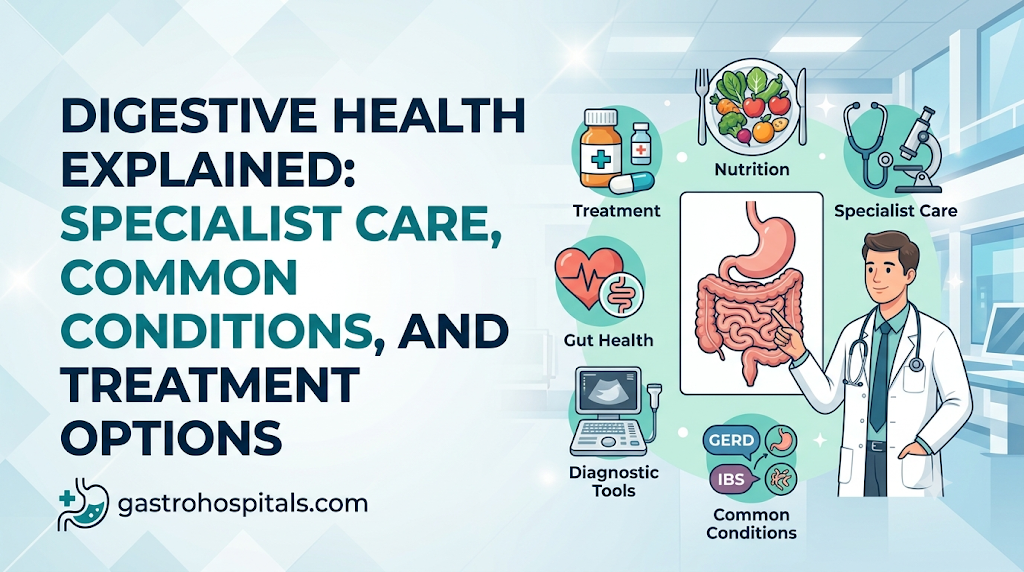 Understanding how our digestive system works is an important part of maintaining overall well-being. From the food we eat to the nutrients our body absorbs, many different organs work together in a continuous chain. When something disrupts this delicate balance, learning about symptoms, medical evaluations, and available care options can help patients and their families feel more prepared. Platforms like GastroHospitals aim to bridge the gap by offering educational resources, specialist insights, and structured information to help people research gastrointestinal health responsibly.
What Is Gastroenterology?
Gastroenterology is a specialized branch of medicine focused on the digestive system and its disorders. The human digestive tract is a long pathway that processes food, extracts vital nutrients, and removes waste.This medical field deals with several major organs:
- Esophagus: The muscular tube that carries food from the throat down to the stomach.
- Stomach: An organ that breaks down food using strong digestive juices.
- Intestines: The long tubes responsible for absorbing nutrients and water.
- Colon: The large intestine that processes remaining waste materials.
- Liver: A large organ that filters blood, processes nutrients, and produces important chemicals.
- Gallbladder: A small organ that stores bile to help digest fats.
- Pancreas: An organ that releases enzymes to help digest food and regulates blood sugar.
When Might Someone Need a Specialist?
Many everyday stomach aches resolve on their own with rest or simple dietary adjustments. However, persistent or unusual symptoms often require a professional medical evaluation. A gastroenterologist is a medical doctor who has received advanced training in diagnosing and managing conditions affecting the digestive organs.People often consult a specialist when experiencing long-term issues such as ongoing abdominal discomfort, unexplained weight changes, chronic heartburn, or changes in bowel habits. A qualified healthcare professional can evaluate persistent or concerning symptoms and decide whether specialist care is needed. Proper diagnosis ensures that the underlying cause of the discomfort is identified accurately rather than just treating surface-level signs.
Understanding Digestive Disorders
Digestive disorders encompass a wide variety of medical conditions that interfere with normal body functions. Because the digestive tract spans multiple organs, problems can develop in different areas. Some conditions involve temporary inflammation, while others are chronic illnesses requiring long-term management.These issues can affect how the body processes food, absorbs vitamins, or eliminates waste. Understanding that each part of the digestive system has a specific job helps patients grasp why certain symptoms appear in specific areas of the abdomen.
Different Treatment Approaches
When managing health concerns, medical professionals look at the whole picture before suggesting a plan. Various gastroenterology treatments depend heavily on the specific diagnosis, the severity of the condition, and an individual's unique medical history.Treatment plans are rarely one-size-fits-all. A doctor may recommend simple lifestyle and dietary modifications for mild issues, while other situations might require prescription medications, therapeutic procedures, or surgical intervention. Professional evaluation remains essential to determine the safest and most effective approach for any given condition.
Common Conditions and Their Management
Different digestive issues require different management strategies. Understanding the basics of common conditions can help patients communicate more effectively with their medical team.
Stomach Acid Issues
GERD treatment often focuses on reducing the amount of acid that flows backward from the stomach into the food pipe. Simple lifestyle changes, such as avoiding trigger foods and elevating the head during sleep, are frequently combined with medications that decrease acid production.
Infections and Inflammation
Gastroenteritis treatment generally centers around preventing dehydration and allowing the digestive tract to recover from a viral or bacterial infection. Doctors usually recommend resting the stomach, drinking plenty of fluids with electrolytes, and slowly returning to a normal diet.
Chronic Bowel Conditions
IBD treatment involves managing long-term inflammation in the digestive tract. Because conditions like Crohn's disease and ulcerative colitis are chronic, doctors use specialized medications to calm the immune system and control flare-ups over time.
Liver Care
Liver disease treatment varies depending on whether the condition is caused by infections, lifestyle factors, or genetic issues. Early detection through blood tests and imaging allows doctors to recommend dietary adjustments, medications, or specialized monitoring to protect liver function.
How GI Conditions Are Diagnosed
Doctors use a combination of physical exams, laboratory tests, and imaging studies to understand what is happening inside the digestive tract. Blood tests can reveal signs of inflammation or infection, while stool samples help check for hidden bleeding or parasites.Imaging scans, such as ultrasounds or CT scans, allow physicians to view the structure of internal organs like the liver, gallbladder, and pancreas without making any incisions. These diagnostic tools help medical teams pinpoint the exact source of a patient's symptoms.
Understanding Common Diagnostic and Therapeutic Procedures
Beyond standard imaging, doctors frequently rely on specialized instruments to look directly inside the digestive tract. An endoscopy uses a thin, flexible tube with a tiny camera attached to examine the lining of the upper digestive system.Similarly, a colonoscopy procedure allows a specialist to view the large intestine and rectum. During this examination, doctors can check for abnormal growths, take tiny tissue samples for testing, or even treat certain minor issues right away, making these procedures both diagnostic and therapeutic.
When Surgery Is Part of Digestive Care
In some situations, medical management and minor procedures are not enough, and gastrointestinal surgery becomes necessary. Surgeons perform various operations depending on the affected organ and the severity of the disease.Common surgical procedures include:
- Colectomy: Removing all or part of the colon.
- Gastrectomy: Removing all or part of the stomach.
- Anti-Reflux Surgery: Strengthening the valve between the esophagus and stomach.
- Gallbladder Removal: Taking out a diseased or stone-filled gallbladder.
- Pancreatic Surgery: Treating conditions affecting the pancreas.
- Liver Resection: Removing a portion of the diseased liver.
- Transplantation: Replacing a failing organ with a healthy donor organ.
Surgery is typically considered when other treatments have not provided relief or when structural damage requires direct repair.
Finding and Understanding Hospital Information
Patients and families researching care often look for reliable guidance on hospital capabilities. When exploring the best hospitals for gastroenterology, it is helpful to look beyond basic names and focus on specific care areas.People frequently research available diagnostic equipment, the presence of specialized intensive care units, and the range of medical and surgical services offered. Understanding what a hospital provides helps families make informed decisions about where to seek specialized consultations.
Exploring Comprehensive Digestive Health Resources
Researching medical information requires access to organized and reliable educational resources. Platforms dedicated to gastrointestinal health often bring together multiple types of content to support patients and caregivers.Key areas usually include:
- Hospital Discovery: Finding facilities equipped with specialized digestive units.
- Specialist Information: Understanding the training and roles of gastrointestinal doctors.
- Disease Education: Learning about the causes and signs of various stomach and bowel conditions.
- Treatment Guides: Reviewing standard medical and lifestyle management approaches.
- Procedure Overviews: Understanding what to expect during diagnostic tests and surgeries.
- Patient-Oriented Resources: Reading clear articles designed to help individuals prepare for doctor visits.
- Advanced Care Focus: Exploring dedicated resources for liver, pancreas, and inflammatory bowel diseases.
Practical Steps for Researching Digestive Healthcare
- Understand the health concern: Note down specific symptoms, when they occur, and how long they have lasted.
- Learn about related conditions: Read reliable educational materials to understand potential causes behind the symptoms.
- Research care options: Look into the types of specialists and hospital facilities that focus on digestive health.
- Review procedure details: Familiarize yourself with what diagnostic tests or treatments involve before discussing them.
- Consult a professional: Schedule an appointment with a qualified doctor to receive an accurate diagnosis and personalized advice.
Common Mistakes in Healthcare Research
- Relying on a hospital name alone: Assuming a famous facility is automatically the right fit without checking its specific gastroenterology capabilities.
- Confusing general information with personal medical advice: Applying broad educational articles directly to one's own body without a doctor's input.
- Ignoring proper diagnosis: Attempting to self-treat symptoms based on internet searches rather than finding the root cause.
- Assuming every condition needs surgery: Believing that major operations are the only solution for digestive discomfort.
- Delaying professional evaluation: Waiting too long to see a doctor when persistent warning signs are present.
Realistic Example
Consider a hypothetical situation where a person experiences ongoing stomach discomfort and acid reflux for several weeks. Instead of ignoring the signs or trying random remedies, the individual reads educational articles to understand what GERD is and learns about the role of a gastroenterologist. They also research what a diagnostic endoscopy involves. Armed with this general knowledge, they schedule an appointment with a qualified healthcare professional to discuss their symptoms and receive a proper evaluation.
Overview of Digestive Care Topics
| Area of Care | What Readers Typically Research |
| Specialist Care | Roles and qualifications of a gastroenterologist |
| Digestive Conditions | Symptoms, underlying causes, and general management |
| Diagnostic Procedures | What to expect during tests like a colonoscopy procedure |
| Surgical Options | Types of gastrointestinal surgery and when they are needed |
| Hospital Research | Evaluating facility specialties and available digestive units |
Frequently Asked Questions
What does a gastroenterologist treat?A gastroenterologist treats conditions affecting the esophagus, stomach, intestines, liver, gallbladder, and pancreas.What is the main purpose of an endoscopy?An endoscopy allows doctors to view the lining of the upper digestive tract to diagnose and sometimes treat various conditions.Are all digestive disorders chronic?No. Some digestive issues are acute infections that resolve quickly, while others are chronic conditions requiring long-term management.When should someone see a specialist for stomach pain?Persistent, worsening, or unusual abdominal pain should be evaluated by a healthcare professional to determine the underlying cause.What is the role of dietary changes in digestive health?Dietary adjustments can help manage symptoms of many digestive disorders by reducing irritation in the stomach and intestines.Is surgery always required for liver disease?No. Many liver conditions are managed with lifestyle modifications, monitoring, and medications depending on the severity.How can patients prepare for a consultation?Patients can prepare by writing down their symptoms, noting when they occur, and listing any questions they want to ask their doctor.
Conclusion
Digestive healthcare encompasses a wide range of conditions, medical treatments, diagnostic tests, and surgical procedures. Understanding the basics of gastroenterology helps patients navigate their health journeys with greater confidence. By relying on reliable educational resources, understanding the roles of specialists, and seeking timely professional evaluations, individuals can make informed choices about their digestive well-being. For further reading and community resources, published articles on platforms like Blogger offer accessible insights into managing gastrointestinal health responsibly.